
Massage Therapy for Athletes Edmonton: Recovery Guide

Most Edmonton athletes obsess over training loads, nutrition timing, and sleep, then treat recovery as an afterthought. That is a mistake. The gap between your last training session and your next one is where adaptation actually happens, and how you fill that gap determines whether you make progress or grind yourself into an overuse injury. Massage therapy for athletes in Edmonton is one of the most practical, evidence-supported tools for filling that gap well. This guide covers what the research actually says, how different massage techniques serve different recovery needs, and how to build a session schedule that matches your training cycle rather than disrupting it.
Table of Contents
Quick Takeaways
Key Insight
Explanation
Massage reduces DOMS meaningfully
A review of 29 studies found post-exercise sports massage reduced delayed onset muscle soreness symptoms by roughly 13%, letting athletes return to training sooner and with more comfort.
Fatigue reduction outperforms other recovery tools
A large review in Frontiers in Physiology found massage was more effective at reducing perceived fatigue than stretching, compression garments, or cryotherapy.
Flexibility improves, but modestly
Research consistently shows short-term flexibility improvements following massage. It is a useful complement to mobility work, not a replacement for it.
Technique and timing matter
Pre-training massage should be lighter and shorter to prime tissue without dulling neuromuscular activation. Post-training massage can be deeper and longer to support repair.
Frequency should follow training load
Athletes in heavy training blocks benefit from weekly sessions. During lower-volume phases, every two to four weeks is generally sufficient.
Overuse patterns are easier to catch early
Regular massage sessions allow a trained therapist to identify tight spots and imbalances before they become injuries that force you off the field.
Insurance and MVA coverage applies in Canada
Most Canadian extended health benefit plans cover registered massage therapy. Direct billing at clinics like Blueprint Health removes the paperwork barrier entirely.
What the Research Actually Says
The evidence on sports massage is better than critics suggest and more honest than enthusiasts typically admit. A systematic review and meta-analysis published in BMJ Open Sport and Exercise Medicine analyzed 29 randomized studies involving over 1,000 participants and found that sports massage produced small but statistically significant improvements in both flexibility and delayed onset muscle soreness. The same review found no strong evidence that massage directly improves strength, sprint speed, or endurance performance on its own.
That finding is actually useful rather than discouraging. Massage is a recovery tool, not a performance-enhancing shortcut. Its value lies in reducing what holds athletes back between sessions, not in adding something to the session itself. When your muscles recover more completely, you can train harder and more consistently over time, and that compound effect on training quality is where the real performance gain comes from.
Research published in Frontiers in Physiology reinforces this view. That work found that massage decreased serum creatine kinase levels following strenuous exercise, suggesting a reduction in muscle inflammation and damage. Reduced inflammation translates to a shorter recovery window and better muscle function heading into the next session.
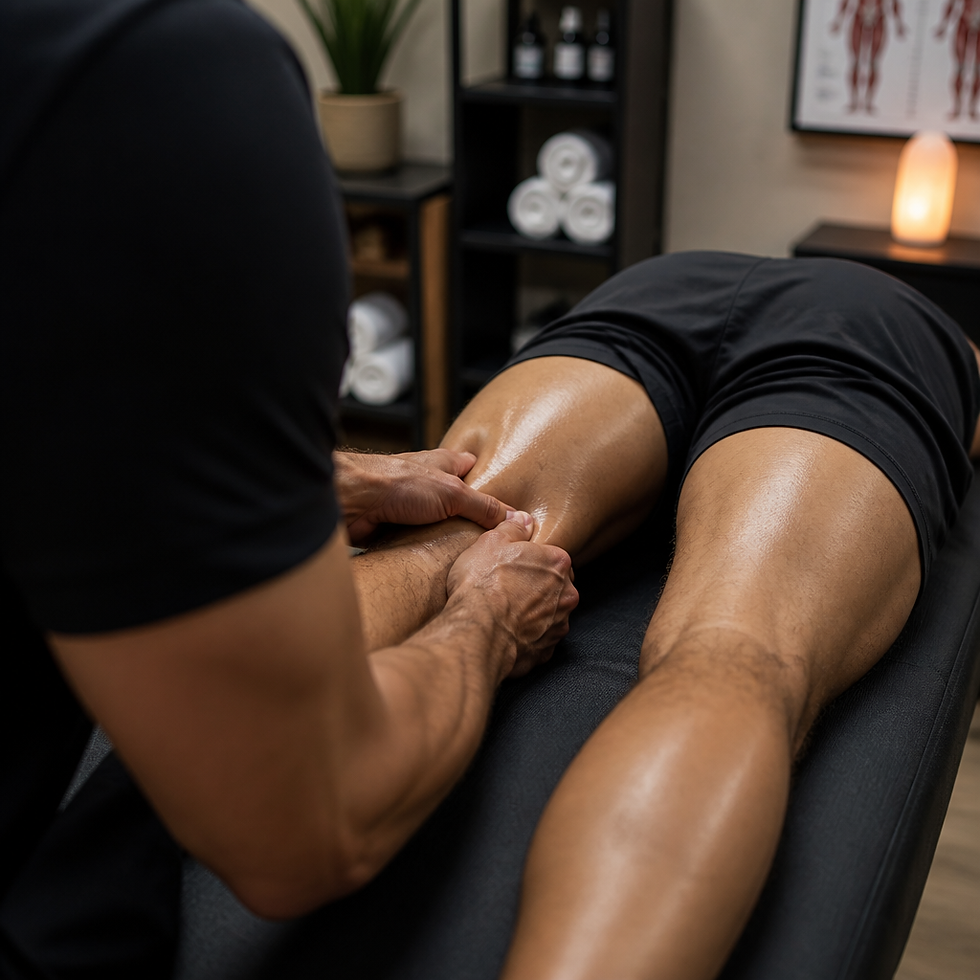
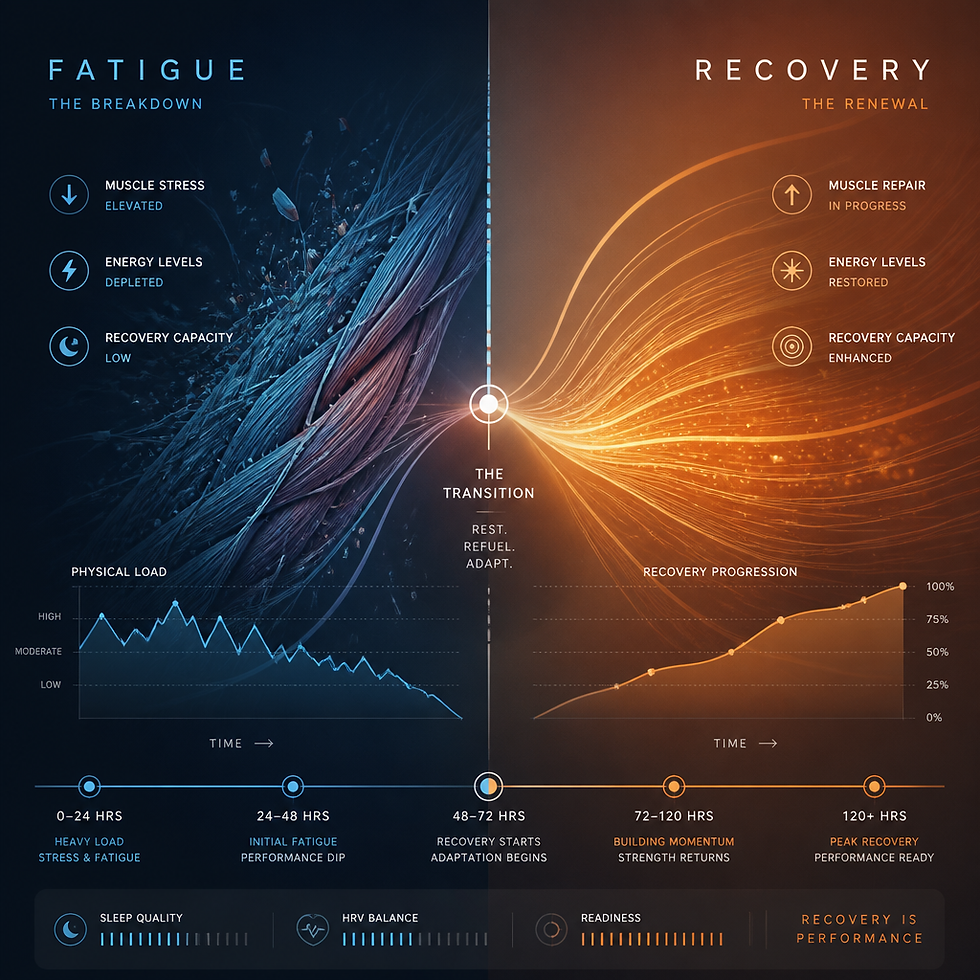
How Massage Accelerates Recovery Between Sessions
Understanding the mechanisms behind massage therapy makes it easier to use it strategically rather than just booking a session when something hurts. There are three primary pathways through which massage supports athletic recovery.
Circulatory and Lymphatic Clearance
Intense exercise generates metabolic byproducts that need to clear from muscle tissue before the next training bout. Sports massage increases local blood flow and promotes lymphatic drainage, which accelerates that clearance process. The result is less residual tightness going into your next session and better tissue quality overall.
Nervous System Modulation
Hard training places sustained demand on the sympathetic nervous system. One mechanism through which massage supports recovery is by activating the parasympathetic nervous system, essentially shifting the body from a high-alert state toward a repair-and-restore state. For athletes who train twice a day or who carry significant competition stress, this shift is not trivial. It directly affects sleep quality and the hormonal environment needed for muscle repair.
Mechanical Tissue Effects
Soft tissue restrictions and adhesions accumulate gradually through repeated training, particularly in patterns that are directionally dominant such as running, cycling, or throwing sports. Massage physically addresses those restrictions, restoring sliding motion between tissue layers and reducing the kind of low-grade stiffness that athletes often mistake for normal training fatigue. Left unaddressed, these restrictions narrow the range of motion available during athletic movement and increase injury risk.
The goal of recovery massage is not to make an athlete feel good in the moment. It is to ensure the body that shows up to the next training session is as close as possible to fully functional tissue.
Pro tip: Book your post-training massage within 24 to 48 hours after your hardest session of the week, when muscle soreness typically peaks. This is when massage has the most mechanical and circulatory work to do. Waiting until you feel fully recovered means you have already done the hard part on your own.
Types of Sports Massage and When to Use Them
Not every massage session serves the same purpose. A common mistake athletes make is treating all massage as interchangeable, booking whatever is available without considering where they are in their training week.
Pre-Event and Pre-Training Massage
This type of session is shorter, lighter, and faster-paced. The goal is to increase circulation, warm tissue, and get the nervous system primed for activity, not to work deeply into restricted tissue. Deep pressure before training can temporarily reduce neuromuscular activation, which is the opposite of what you want before a hard session or competition. A 20-to-30-minute session focusing on the primary muscle groups involved in that day's activity is the right model here.
Post-Training and Inter-Session Recovery Massage
This is where most athletes get the most value. Post-training massage, booked in the 24-to-48-hour window after a hard session, uses deeper techniques to address accumulation in the worked tissue, reduce DOMS, restore range of motion, and support circulatory clearance. Sessions in this category can run 45 to 60 minutes and are most effective when the therapist knows your training schedule and can tailor the work accordingly.
Maintenance Massage During Lower-Load Phases
During deload weeks or the early part of a training phase, massage serves more of a monitoring and maintenance function. A skilled therapist uses these sessions to map the state of your tissue, identify emerging tightness patterns before they become injuries, and address chronic restrictions that build up over months of training. Think of it as a regular service interval for your body.
Pro tip: Tell your massage therapist your training schedule before every session, not just at your initial intake. Knowing whether you have a hard workout tomorrow or a rest day changes what techniques and pressure depth serve you best right now.
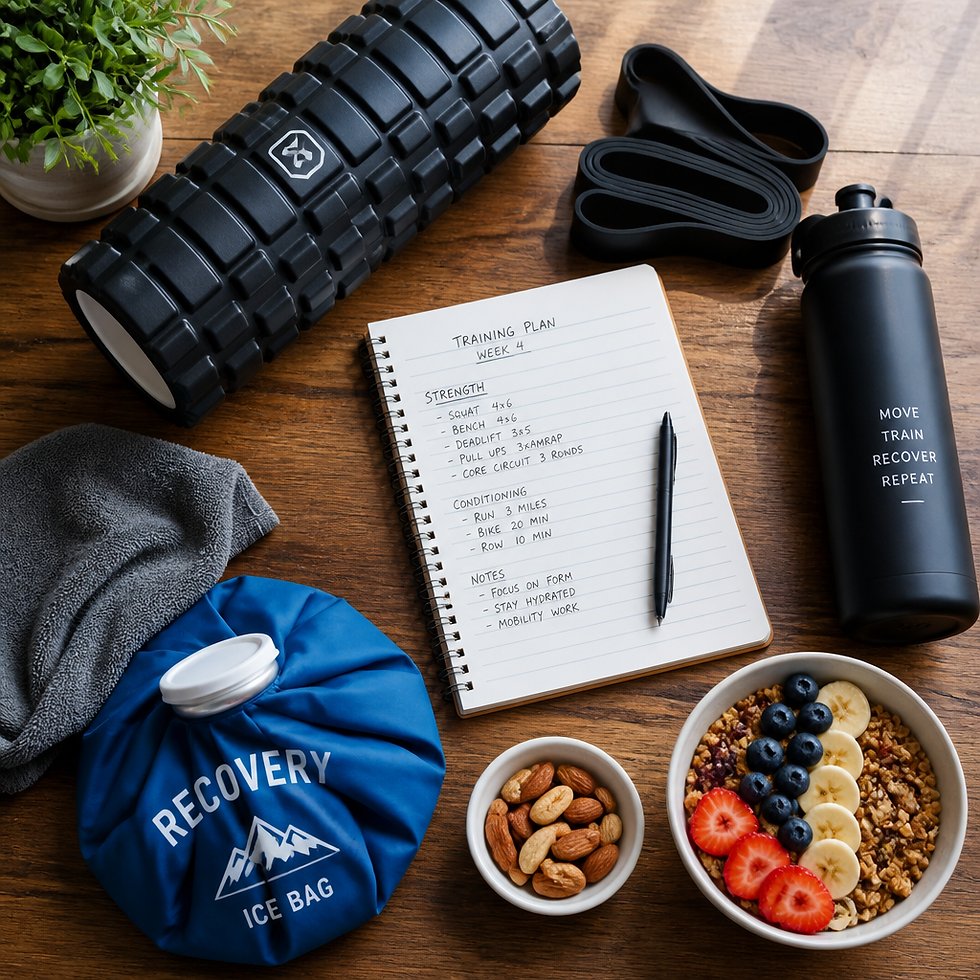
How Often Should Athletes Book Massage Therapy
Frequency recommendations vary depending on training volume, intensity, and individual recovery capacity. There is no universal answer, but there are clear patterns that hold across most athletic populations.
Athletes training intensely multiple times per week generally benefit from weekly massage sessions to prevent tissue accumulation and support consistent recovery. During periods of peak training load or two-a-day programs, some athletes benefit from two sessions per week for a short window of one to three weeks. For athletes in moderate training phases, one session every two to three weeks is typically sufficient to maintain tissue quality and flexibility gains.
Athletes managing a current injury or returning from one often need a frontloaded schedule, with more frequent sessions early in the rehabilitation process that taper as the tissue stabilizes. At Blueprint Health, this kind of periodized approach to massage therapy is coordinated with physical therapy when needed, so your massage work and your rehabilitation exercises are supporting the same goals rather than competing with each other.
One principle holds regardless of training level: sporadic massage booked only when something hurts is less effective than a consistent schedule maintained across the training year. The athletes who get the most out of massage therapy are the ones who treat it as an ongoing part of their recovery system, not an emergency measure.
Massage vs Other Recovery Methods: A Direct Comparison
Athletes have access to a wide range of recovery tools. Here is how sports massage compares against two popular alternatives across the dimensions that matter most for training continuity.
Recovery Method
Primary Strength
Key Limitation
Sports Massage Therapy
Reduces perceived fatigue more effectively than other methods; addresses tissue restrictions and imbalances with hands-on specificity; identifies emerging injury patterns early
Requires scheduling with a registered therapist; cost can accumulate without insurance coverage; effect on raw performance metrics is modest
Cryotherapy / Ice Bath
Acutely reduces inflammation and perceived soreness immediately post-training; widely accessible and low-cost
Research suggests repeated cold exposure may blunt long-term muscle adaptation; less effective at addressing tissue restrictions or imbalances
Compression Garments
Convenient, can be worn during activity or sleep; supports circulatory return and reduces subjective soreness
Effect size on DOMS and fatigue is smaller than massage in head-to-head comparisons; does not address mechanical tissue restrictions
The practical takeaway here is that these methods are not mutually exclusive. A cold bath immediately after competition, compression during travel, and a massage session 48 hours later is a sequence many athletes use effectively. The mistake is treating any single tool as sufficient on its own.
What to Expect at Blueprint Health
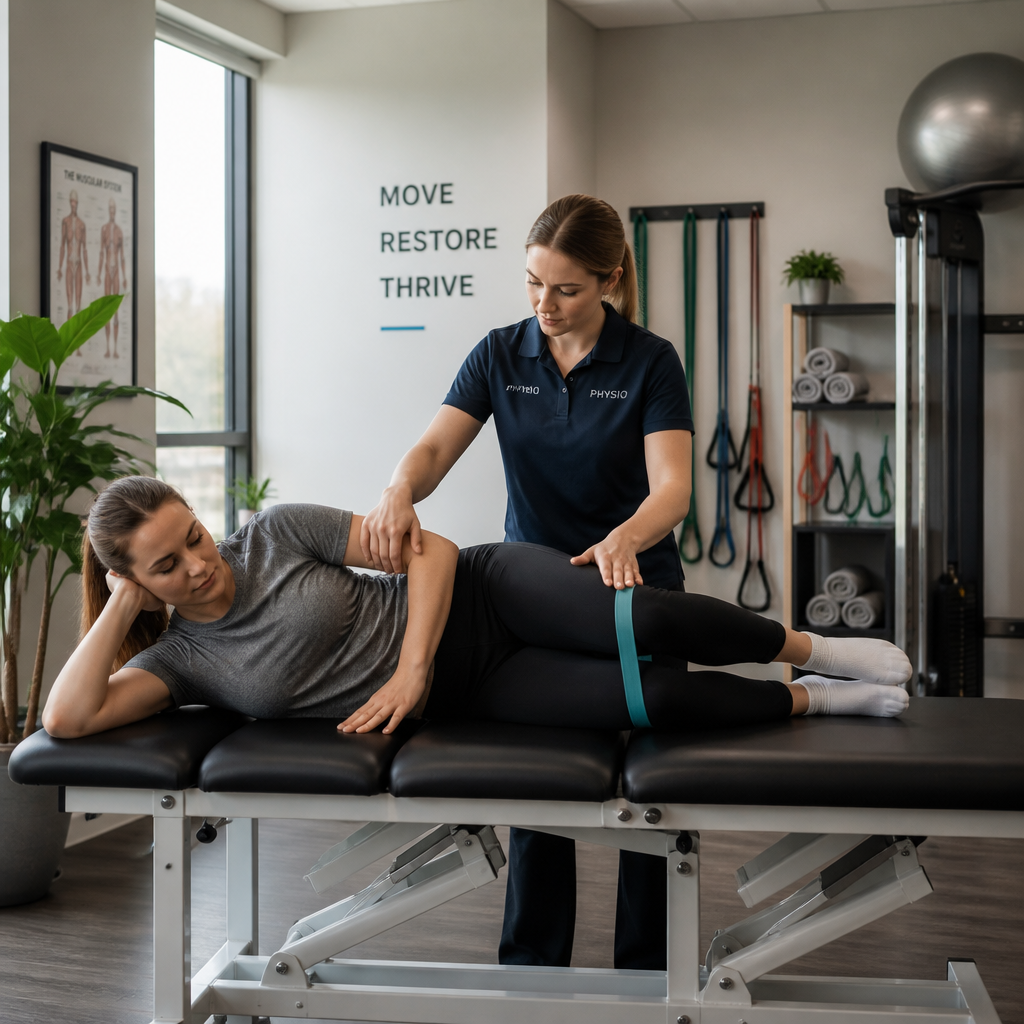
Blueprint Health operates as an integrated clinic rather than a standalone massage studio. That distinction matters for athletes. When your massage therapist works in the same environment as your physiotherapist, the communication between disciplines is direct and ongoing. Your therapist knows whether you are in a rehabilitation protocol, what movement patterns are currently being addressed, and what tissue work will support rather than contradict that process.
Direct billing to major Canadian insurance providers is available at Blueprint Health, which removes the friction that causes many athletes to delay or skip sessions. If you have extended health benefits through your employer, there is a good chance massage therapy is covered. For athletes recovering from a motor vehicle accident, the clinic also handles MVA coverage, which frequently includes massage therapy as part of the recovery plan.
The assessment process at Blueprint Health starts with understanding your training schedule, activity level, and current symptoms before any hands-on work begins. This is the right approach. Blanket massage without context produces inconsistent results. Massage that is calibrated to your specific tissue state, training phase, and recovery goals produces reliably better outcomes.
Athletes across Edmonton and beyond are already using Blueprint Health's registered massage therapy services to train harder and recover smarter. If you are pushing your body consistently and not investing equally in recovery, that imbalance will eventually catch up with you in the form of an injury, a plateau, or accumulated fatigue that blunts every session. Booking a sports recovery massage with a registered therapist is one of the most direct things you can do to prevent that outcome.
Pro tip: Before your first session, write down your weekly training schedule, any areas of chronic tightness, and whether you have had any recent injuries. Sharing that information at the start of the session saves time and allows your therapist to spend the full session doing targeted, productive work rather than spending the first 15 minutes gathering context.
Frequently Asked Questions
Is sports massage therapy different from regular relaxation massage?
Yes, meaningfully so. Sports massage uses specific techniques such as myofascial release, targeted deep tissue work, and compressions that are applied based on knowledge of athletic movement patterns and common injury sites. It is designed to address the functional demands of training rather than simply provide relaxation. A registered massage therapist with sports experience will assess your tissue state, training load, and movement patterns before choosing which techniques to use and where to apply them.
How sore will I be after a sports massage?
It depends on the intensity of the session and the state of your tissue going in. Light to moderate soreness in the 24 hours following a deeper session is normal and generally resolves quickly. If you have a hard training session scheduled for the day immediately after your massage, mention it to your therapist so they can adjust the depth and intensity accordingly. A well-timed session should leave you feeling more capable in your next workout, not less.
Can massage therapy help prevent sports injuries, not just treat them?
Yes, and this is arguably where consistent massage delivers the most value over time. Regular sessions allow a therapist to identify areas of tightness, imbalance, or restricted range of motion that have not yet produced pain but are moving in that direction. Addressing those patterns early through targeted soft tissue work and coordinated physiotherapy is far less disruptive than treating a full injury after the fact.
Does my Canadian insurance plan cover massage therapy at Blueprint Health?
Most Canadian extended health benefit plans include coverage for registered massage therapy. Blueprint Health offers direct billing to major insurers, which means the clinic submits the claim on your behalf. You pay only any outstanding portion at the time of your appointment. Check your plan details for annual maximums and any per-session limits, and ask the team at Blueprint Health if your specific insurer is supported before booking.
When is the best time to book a sports massage relative to my training?
The most effective timing for recovery-focused massage is within 24 to 48 hours after your hardest training session of the week. This is when DOMS typically peaks and when your tissue has the most to benefit from improved circulation and mechanical work. Avoid booking a deep massage session in the 12 hours immediately before an intense workout or competition, as deep pressure before high-output activity can temporarily reduce neuromuscular readiness.
How is Blueprint Health different from other massage clinics in Edmonton?
The key difference is integration. Blueprint Health combines registered massage therapy with evidence-based physical therapy under one roof, which means your massage work and any rehabilitation or performance work are coordinated rather than siloed. Direct billing, motor vehicle accident coverage, and a clinic built specifically around athletic and injury recovery populations make it a practical fit for athletes who want care that understands their sport, not generic wellness services that happen to include massage.
Have you noticed a difference in your training and recovery since adding regular massage therapy to your routine? Share your experience in the comments below.


Comments